


.png)

Over 60 percent of British marketers now rely on landing page builders to shape their digital campaigns. Navigating the decision between Leadpages and Instapage comes down to a mix of usability, integration power, and design flexibility that can make or break your results. From user-friendly interfaces to collaboration tools for large teams, this guide breaks down exactly how these features meet the demands of British businesses, helping you sidestep costly missteps and maximise every marketing opportunity.
Table of Contents
- 1. Ease of Use and Interface Comparison
- 2. Integration Capabilities with E-Commerce Platforms
- 3. Customisation and Design Flexibility
- 4. Conversion Tracking and Analytics Features
- 5. Pricing Structure and Value for Money
- 6. Mobile Responsiveness and Performance
- 7. GDPR Compliance and Data Security
Quick Summary
| Takeaway | Explanation |
|---|---|
| 1. User Interface Matters | Choose between Leadpages’ simplicity or Instapage’s advanced features based on your team’s needs. |
| 2. Check Integration Options | Ensure your chosen platform seamlessly integrates with your existing CRM and email marketing tools. |
| 3. Customisation Versatility | Evaluate whether Leadpages’ templates or Instapage’s advanced features better fit your brand’s design requirements. |
| 4. Analytics and Tracking Importance | Assess the granularity of analytics for informed marketing strategies: Leadpages for simplicity, Instapage for detailed insights. |
| 5. Compare Pricing Structures | Analyse the overall cost versus value of features offered to find a platform that meets your budget and marketing goals. |
1. Ease of Use and Interface Comparison
Choosing the right landing page builder hinges on user experience and interface design. When comparing Leadpages and Instapage, businesses must consider how easily their team can navigate and create compelling digital marketing assets.
Leadpages offers a straightforward interface designed for individual users and entrepreneurs seeking simplicity. Its minimalist approach means you can quickly build landing pages without getting bogged down in complex settings. In contrast, Instapage provides a more sophisticated platform with robust collaboration features aimed at marketing teams.
The key difference lies in workflow complexity. Leadpages prioritises rapid page creation with drag-and-drop functionality that allows solo marketers to produce professional pages quickly. Instapage, meanwhile, supports collaborative environments with real-time editing and structured approval workflows perfect for agencies and larger marketing departments.
For small businesses or individual marketers, Leadpages might feel more intuitive. Its clean interface reduces learning curves and enables rapid deployment of marketing campaigns. Larger organisations will appreciate Instapage’s team-oriented design, which facilitates seamless communication and iterative design processes.
British Pro Tip: Before committing to either platform, request a free trial and test the interface with your actual marketing workflow. Spend time exploring each tool’s specific features to determine which matches your team’s collaboration and design requirements.
2. Integration Capabilities with E-Commerce Platforms
Successful e-commerce marketing demands seamless technology integration that connects multiple platforms and tools. Understanding how landing page builders like Leadpages and Instapage connect with different e-commerce ecosystems can significantly impact your marketing efficiency.
Sophisticated integration capabilities are crucial for modern digital marketers seeking to streamline their workflows. Both Leadpages and Instapage offer robust connections with popular customer relationship management (CRM) and email marketing tools, enabling businesses to create more intelligent marketing strategies.
Leadpages specialises in straightforward integrations with email marketing platforms like ActiveCampaign and ConvertKit. These connections allow marketers to automatically transfer lead information and trigger specific marketing sequences based on user interactions. This means you can create landing pages that not only capture leads but also seamlessly funnel them into your existing marketing infrastructure.
Instapage takes integration a step further by supporting enterprise level CRM platforms such as Salesforce and HubSpot. For businesses with more complex marketing requirements, these advanced integrations provide deeper data synchronisation and more sophisticated tracking capabilities. You can connect your landing pages directly with your sales and marketing databases, enabling more precise lead management and personalised follow up strategies.
British Pro Tip: Before selecting a landing page platform, map out your entire marketing technology stack and verify each potential tool offers native integrations or robust API connections to ensure smooth data flow across your systems.
3. Customisation and Design Flexibility
Designing high converting landing pages requires more than aesthetic appeal. Your chosen platform must offer robust customisation capabilities that align with your specific marketing objectives and brand identity.
Platform design flexibility plays a critical role in creating compelling digital experiences. Leadpages and Instapage approach customisation with distinctly different philosophies that cater to varied marketing needs.
Leadpages specialises in simplicity and accessibility. Their platform provides an extensive library of pre designed templates that allow quick deployment for businesses seeking rapid marketing solutions. These templates are meticulously crafted to ensure conversion optimisation, enabling even novice marketers to produce professional looking landing pages without extensive design expertise.
Instapage takes customisation to a more advanced level. Their platform supports sophisticated features like real-time collaboration and structured approval workflows. This makes Instapage particularly attractive for marketing teams requiring intricate design processes and comprehensive brand management. Designers can simultaneously work on projects, provide instant feedback, and maintain consistent visual standards across multiple landing pages.
For small businesses and solo entrepreneurs, Leadpages offers a streamlined approach. Larger organisations with complex marketing requirements will appreciate Instapage’s collaborative design environment. Your choice should ultimately depend on your team size, design complexity, and collaborative needs.
British Pro Tip: Before committing to a platform, request free trials of both services and test their design interfaces using your actual marketing assets to determine which offers the most intuitive customisation experience for your specific workflow.
4. Conversion Tracking and Analytics Features
Successful e-commerce marketing demands precise measurement and understanding of visitor interactions. Analytics capabilities can transform raw data into strategic insights that drive business growth.
Leadpages and Instapage offer distinct approaches to conversion tracking and performance analytics. Understanding their unique features can help marketers make informed platform selection decisions.
Leadpages provides straightforward, user friendly analytics designed for entrepreneurs and small teams. Their reporting focuses on essential metrics like visitor counts and conversion rates, integrating seamlessly with Google Analytics for deeper data exploration. This approach suits businesses seeking clear, uncomplicated performance insights without overwhelming technical complexity.
Instapage elevates analytics through advanced visualisation tools. Their platform includes sophisticated features such as detailed heatmaps and comprehensive user interaction tracking. These tools allow marketers to understand precise visitor behaviour patterns navigating their landing pages. By revealing exactly where users click, scroll, and engage, Instapage enables data driven optimisation strategies.
The key difference lies in granularity. Leadpages offers accessible reporting for non technical users, while Instapage provides nuanced insights suitable for advanced marketing teams seeking granular performance understanding. Your choice should align with your team’s technical expertise and analytical requirements.
British Pro Tip: Before committing to a platform, conduct a trial run comparing the analytics reports from both services using identical landing page campaigns to assess which reporting style best matches your strategic decision making process.
5. Pricing Structure and Value for Money
Choosing the right landing page platform requires a strategic evaluation of pricing models and the tangible value they deliver for your specific business needs. Cost effectiveness goes far beyond simple price comparisons.
Leadpages and Instapage offer distinct pricing approaches targeting different segments of the digital marketing ecosystem. Leadpages tends to cater towards small businesses and individual entrepreneurs seeking affordable solutions with straightforward pricing tiers. Their model emphasises accessibility and simplicity.
Instapage positions itself as a more premium solution designed for marketing teams and larger organisations requiring sophisticated features. While their pricing reflects a higher investment, the platform delivers advanced collaborative tools, comprehensive analytics, and enterprise grade customisation capabilities. Businesses should assess whether the additional features justify the increased expenditure.
Key considerations extend beyond monthly subscription rates. Evaluate total cost of ownership including potential additional expenses for integrations, extra team members, or advanced functionality. Some platforms offer seemingly lower initial pricing but charge substantially for essential features that come standard with competitors.
Consider your specific requirements. Smaller businesses might find Leadpages more budget friendly with sufficient core functionality. Larger marketing departments will likely appreciate Instapage’s comprehensive toolset despite the higher price point. Your choice should align with your organisation’s marketing sophistication, team size, and strategic objectives.
British Pro Tip: Always request comprehensive trials of both platforms and conduct a thorough feature versus cost analysis, calculating potential return on investment based on your specific marketing workflow and conversion goals.
6. Mobile Responsiveness and Performance
In the digital marketing ecosystem, mobile performance can make or break your conversion strategies. Your landing page platform must deliver seamless experiences across multiple devices and screen sizes.
Leadpages and Instapage approach mobile responsiveness through distinctly different technological strategies. Mobile performance optimization represents a critical consideration for e-commerce businesses targeting consumers using smartphones and tablets.
Leadpages provides auto responsive templates that automatically adapt to various screen dimensions. Their approach ensures basic compatibility across devices without requiring extensive manual configuration. Marketers can quickly deploy landing pages knowing the core design will maintain structural integrity regardless of device type.
Instapage differentiates itself by offering advanced mobile performance features, particularly through Accelerated Mobile Pages (AMP) support. AMP landing pages load substantially faster on mobile networks, potentially improving user experience and reducing bounce rates. This makes Instapage particularly attractive for businesses prioritising mobile conversion optimization.
The key distinction lies in their technical implementation. Leadpages focuses on simplicity and broad compatibility, while Instapage provides more granular mobile performance controls. Businesses must evaluate their specific mobile traffic patterns and conversion goals when selecting a platform.
British Pro Tip: Always preview your landing pages across multiple devices and mobile networks before launching, paying special attention to load times, image rendering, and interactive element responsiveness.
7. GDPR Compliance and Data Security
Data protection represents a critical consideration for modern digital marketing platforms. E-commerce businesses must prioritise robust security measures and regulatory compliance to protect user information and maintain organisational integrity.
Leadpages and Instapage approach data security through different strategic frameworks. Data compliance in marketing requires comprehensive understanding of regulatory requirements and technological safeguards.
Leadpages offers basic data protection features suitable for smaller businesses. Their platform provides essential security protocols that meet fundamental European data protection standards. These include user consent management, secure data transmission, and basic encryption mechanisms designed to protect customer information.
Instapage positions itself as a more advanced solution for enterprises requiring comprehensive data security. Their platform includes sophisticated features such as granular consent tracking, detailed audit trails, and more nuanced user permission management. This makes Instapage particularly attractive for organisations operating across multiple regulatory jurisdictions.
Key considerations include data storage location, encryption standards, and transparency of data handling processes. Businesses must evaluate not just the immediate security features but also the long term compliance strategy of their chosen platform. Understanding the subtle differences in approach can prevent potential legal complications and reputational risks.
British Pro Tip: Request a detailed data protection documentation from each platform, focusing on their specific GDPR compliance mechanisms, data storage locations, and breach notification protocols before making your final selection.
Below is a comprehensive table summarising the comparison between Leadpages and Instapage across several key aspects of landing page builders.
| Aspect | Leadpages | Instapage |
|---|---|---|
| Ease of Use | Straightforward interface; ideal for solo marketers. | Sophisticated platform with collaboration features. |
| Integration Capabilities | Simplifies connections with platforms like ActiveCampaign. | Advanced integration with enterprise CRMs like Salesforce. |
| Customisation | Extensive library of templates for quick deployment. | Real-time collaboration for intricate design processes. |
| Analytics | User-friendly analytics integrated with Google Analytics. | Advanced visualisation tools including heatmaps. |
| Pricing | Affordable solutions for small businesses and individual entrepreneurs. | Premium pricing for larger organisations needing advanced features. |
| Mobile Responsiveness | Auto-responsive templates that work across devices. | AMP support for enhanced mobile performance. |
| GDPR Compliance | Basic data protection suitable for smaller businesses. | Comprehensive data security features for enterprises operating in multiple jurisdictions. |
Enhance Your E-Commerce Conversion Strategy with AdPage
The article clearly outlines the challenges e-commerce businesses face when choosing between platforms like Leadpages and Instapage—especially in tracking conversions accurately and integrating analytics seamlessly. If you struggle with inconsistent conversion data, complex integration needs, or ensuring full GDPR compliance, then refining your tracking system is paramount. Both platforms provide strong landing page solutions but capturing 100 percent of your conversions without data loss is a hurdle that can limit your growth.
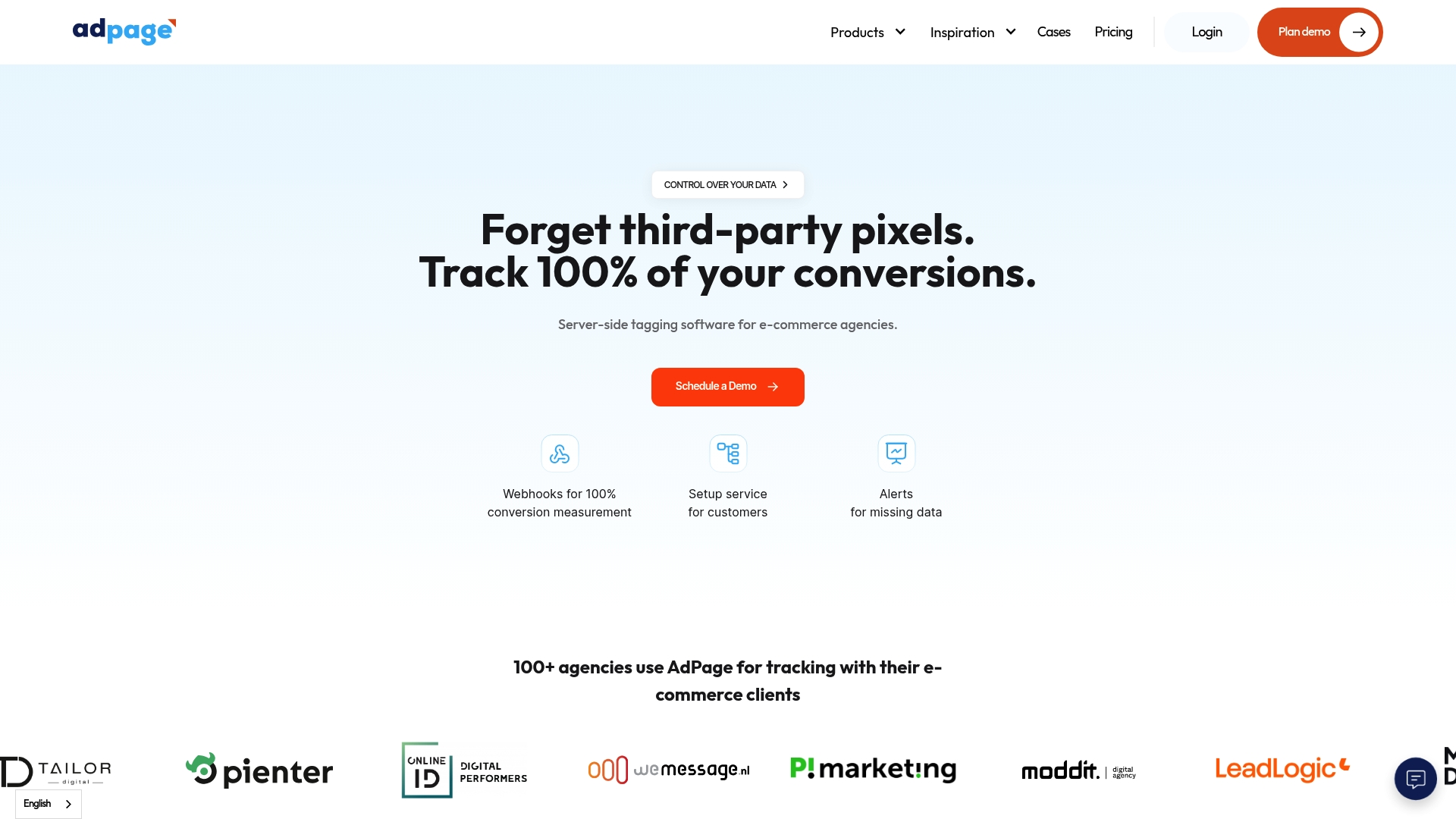
Discover how AdPage empowers marketing agencies and online marketers to overcome these obstacles with server-side tagging solutions tailored for e-commerce. With efficient consent management, comprehensive reporting, and compatibility with Shopify, WooCommerce, and Magento, AdPage ensures your analytics are precise and compliant. Don’t let fragmented data hold your campaigns back. Take control now by visiting AdPage’s main site and explore how you can optimise every visitor interaction. For a deeper dive into enhancing your conversion tracking, learn more about server-side tagging with AdPage and start securing reliable data insights today.
Frequently Asked Questions
What are the main differences in user experience between Leadpages and Instapage?
Leadpages features a straightforward interface ideal for individual users, allowing quick page creation with minimal learning. In contrast, Instapage offers a more complex platform designed for teams, providing advanced collaboration tools for better workflow management.
How do Leadpages and Instapage integrate with e-commerce platforms?
Leadpages focuses on basic integrations with popular email marketing tools, making it suitable for smaller businesses. Instapage, however, supports enterprise-level CRM integrations, allowing for deeper data control and tracking, which is crucial for larger organisations.
Which platform offers better design flexibility for landing pages?
Leadpages provides a wide array of pre-designed templates, enabling rapid deployment with ease of customisation. Instapage, on the other hand, allows for more intricate design features, catering to teams that require collaborative design processes and brand management.
How do I determine which platform provides better conversion tracking?
Leadpages offers clear, user-friendly analytics focused on essential performance metrics, making it suitable for small teams. Instapage includes more advanced visualisation tools, such as heatmaps, enabling deeper insights into user interactions, ideal for data-driven strategies.
What factors should I consider regarding the pricing of Leadpages vs Instapage?
Leadpages offers affordable pricing tailored for individuals and small businesses, while Instapage is structured for larger organisations needing advanced features. Assess your total cost of ownership by calculating potential additional expenses for integrations and extra functionalities to identify which platform provides the best value for your needs.
How do mobile responsiveness and performance compare between Leadpages and Instapage?
Leadpages offers automatically responsive templates that ensure basic compatibility across various devices. Instapage stands out with its Accelerated Mobile Pages (AMP) support, significantly improving load times on mobile devices, which can enhance overall user experience.