


.png)

Tracking conversions and measuring user activity accurately is tough when browser limitations and privacy tools disrupt your data flow. Ad blockers, privacy regulations, and incomplete tracking can leave you guessing about how well your website is really performing. But there’s good news—server-side tagging brings a more reliable solution to these common obstacles.
With this approach, you gain practical methods for increasing data completeness, improving attribution accuracy, and managing consent with confidence. You’ll discover hands-on strategies that transform conversion tracking, Facebook Pixel integration, privacy compliance, and more. Get ready for actionable steps that will help you reclaim control over your analytics and unlock a clearer view of your users.
Table of Contents
- 1. Tracking Google Analytics Conversions More Reliably
- 2. Connecting Facebook Pixel With Server-Side Events
- 3. Enhancing Consent Management For GDPR Compliance
- 4. Integrating Shopify Tags To Reduce Data Loss
- 5. Setting Up WooCommerce Server-Side Purchase Tracking
- 6. Passing Visitor Identity For Personalised Reporting
- 7. Combining Multiple Tags For Complete Conversion Data
Quick Summary
| Key Message | Explanation |
|---|---|
| 1. Implement Server-Side Tagging | Enhances data reliability and overcomes browser tracking limitations, capturing up to 30% more conversion data. |
| 2. Improve Facebook Pixel Tracking | Use server-side event tracking to increase attribution accuracy and mitigate data loss from ad blockers and privacy restrictions. |
| 3. Strengthen Consent Management for GDPR | Centralised consent governance ensures better compliance and privacy protection during data processing. |
| 4. Enhance E-commerce Tracking | Server-side tagging allows e-commerce platforms like Shopify and WooCommerce to capture accurate conversion data without interruptions. |
| 5. Combine Multiple Tags for Insights | Multi-platform tag integration creates a comprehensive view of customer interactions and improves attribution accuracy. |
1. Tracking Google Analytics Conversions More Reliably
Server-side tagging offers a robust solution for enhancing Google Analytics conversion tracking by routing data through your own server infrastructure. This approach overcomes traditional browser-based tracking limitations and provides more reliable conversion measurement.
Traditional client-side tracking relies exclusively on browser scripts which can be disrupted by:
- Ad blockers
- Privacy browser extensions
- Cookie consent restrictions
- Incomplete page loads
By implementing server-side tracking methods, businesses can overcome these challenges and capture up to 30% more conversion data. The server-side approach creates an intermediary processing layer that securely manages tracking information outside browser constraints.
Key advantages of server-side Google Analytics tracking include:
- More comprehensive data collection
- Enhanced attribution accuracy
- Better performance with complex tracking scenarios
- Improved compliance with privacy regulations
Server-side tagging transforms conversion tracking from a fragmented process to a reliable, privacy-compliant measurement strategy.
Implementing server-side tracking requires configuring a server container in Google Tag Manager that intercepts and processes analytics events before sending them to Google Analytics. This method allows for additional data enrichment and validation that is impossible with traditional client-side approaches.
Pro tip: Configure your server-side tagging infrastructure to include multiple redundant tracking endpoints to maximise data capture reliability.
2. Connecting Facebook Pixel with Server-Side Events
Server-side event tracking for Facebook Pixel represents a powerful strategy to overcome traditional digital advertising tracking challenges. By implementing server-side conversion tracking, marketers can significantly improve data reliability and attribution accuracy.
Traditional browser-based Facebook Pixel tracking suffers from critical limitations:
- Vulnerability to ad blockers
- Incomplete data collection
- Privacy browser restrictions
- Reduced event matching precision
Server-side event implementation solves these challenges by creating a secure data transmission pathway directly between your web infrastructure and Facebook’s servers. This method ensures more comprehensive conversion tracking and mitigates data loss risks.
Key benefits of server-side Facebook Pixel tracking include:
- Enhanced event matching capabilities
- Improved attribution accuracy
- Bypassing browser tracking limitations
- Better compliance with privacy regulations
Server-side event tracking transforms Facebook Pixel from a fragile tracking mechanism into a robust data collection strategy.
The implementation typically involves configuring a server container in Google Tag Manager that securely forwards event data to Facebook using the Conversions API. This approach allows for additional data enrichment and validation that client-side methods cannot achieve.
Pro tip: Map custom first-party subdomains to improve data continuity and reduce tracking disruptions during server-side Facebook Pixel event transmission.
3. Enhancing Consent Management for GDPR Compliance
Server-side tracking offers a sophisticated approach to managing user consent and protecting personal data under stringent privacy regulations like GDPR. By implementing robust consent management solutions, organisations can transform their data collection strategies to prioritise user privacy.
Traditional client-side tracking presents several critical privacy risks:
- Uncontrolled data exposure
- Potential unauthorised data transmission
- Limited consent verification mechanisms
- Increased vulnerability to data breaches
Server-side tracking introduces a centralised consent governance model that enables more granular control over data processing. This approach allows businesses to filter, anonymise, and validate user consent before any data transmission occurs.
Key advantages of server-side consent management include:
- Enhanced data protection
- Improved regulatory compliance
- Reduced risk of unintentional data leakage
- Greater transparency for users
Server-side tracking transforms consent management from a passive checkbox into an active privacy protection strategy.
Implementing server-side consent management requires establishing a robust infrastructure that validates user permissions, anonymises sensitive information, and provides clear audit trails of data processing activities.
Pro tip: Configure multi-layer consent validation mechanisms that allow users granular control over which specific data types they are willing to share.
4. Integrating Shopify Tags to Reduce Data Loss
E-commerce businesses using Shopify face significant challenges in tracking accurate conversion data due to browser-based limitations. Server-side tagging solutions offer a robust approach to mitigate data tracking inconsistencies and improve overall conversion measurement.
Traditional client-side tracking for Shopify stores encounters multiple tracking obstacles:
- Browser privacy extensions
- Incomplete page load tracking
- Ad blocker interference
- Inconsistent JavaScript execution
Server-side tagging introduces a centralised data collection infrastructure that processes tracking events through your own server infrastructure. This method ensures more reliable and comprehensive conversion tracking across different customer journeys.
Key advantages of server-side tagging for Shopify include:
- Enhanced data capture accuracy
- Reduced tracking interruptions
- Improved conversion attribution
- Better performance with complex checkout flows
Server-side tracking transforms Shopify conversion measurement from fragmented snapshots to a comprehensive data narrative.
Implementing server-side tags requires configuring a dedicated server container that intercepts and validates e-commerce events before forwarding them to analytics platforms. This approach provides greater control and transparency in tracking customer interactions.
Pro tip: Configure multiple redundant server-side tracking endpoints to ensure maximum data collection reliability during peak traffic periods.
5. Setting Up WooCommerce Server-Side Purchase Tracking
WooCommerce store owners struggle with inconsistent conversion tracking due to browser limitations and privacy restrictions. Server-side tracking solutions provide a robust alternative for capturing accurate purchase events across diverse customer interactions.
Traditional client-side tracking presents significant challenges:
- Vulnerability to ad blockers
- Incomplete transaction recording
- Browser privacy extension interference
- Unreliable conversion data
Server-side purchase tracking creates a centralised data collection infrastructure that processes transaction events directly through your server. This approach ensures comprehensive and reliable conversion measurement for WooCommerce stores.
Key benefits of implementing server-side tracking include:
- Enhanced conversion data accuracy
- Reduced tracking interruptions
- Improved transaction attribution
- Better performance during high-traffic periods
Server-side tracking transforms WooCommerce conversion measurement from fragmented snapshots to a comprehensive data narrative.
Implementing server-side tags requires configuring a dedicated server container that intercepts and validates purchase events before forwarding them to analytics platforms. This method provides greater control and transparency in tracking customer transactions.
Pro tip: Configure multiple redundant server-side tracking endpoints to ensure maximum purchase event capture during peak sales periods.
6. Passing Visitor Identity for Personalised Reporting
Server-side tracking introduces a sophisticated approach to managing visitor identity while maintaining robust privacy standards. Visitor identity tracking enables businesses to deliver personalised reporting experiences without compromising user privacy.
Traditional client-side tracking presents significant privacy challenges:
- Uncontrolled personal data exposure
- Limited consent management
- Potential regulatory non-compliance
- Inconsistent user tracking
Server-side identity management creates a controlled data processing environment that enables granular control over sensitive user information. This approach allows businesses to anonymise personal data while maintaining rich analytical insights.
Key advantages of server-side visitor identity tracking include:
- Enhanced privacy protection
- Precise user segmentation
- Improved consent management
- Regulatory compliance
Server-side tracking transforms visitor identity from a privacy risk to a strategic analytical asset.
Implementing server-side identity tracking requires establishing secure data filtering mechanisms that hash or redact sensitive identifiers before external transmission. This method ensures users maintain control over their personal information while enabling sophisticated reporting capabilities.
Pro tip: Implement multi-layered consent management protocols that allow users granular control over how their identity data is processed and shared.
7. Combining Multiple Tags for Complete Conversion Data
Server-side tracking enables sophisticated multi-platform tag integration to capture comprehensive conversion insights across different digital ecosystems. E-commerce tracking strategies allow businesses to consolidate data from multiple sources into a unified analytical framework.
Traditional tracking approaches encounter significant limitations:
- Fragmented data collection
- Incomplete conversion pathways
- Platform-specific tracking restrictions
- Inconsistent attribution models
Server-side tag combination creates a centralised data processing infrastructure that harmonises tracking events from diverse digital platforms. This approach enables businesses to build a holistic view of customer interactions.
Key advantages of multi-tag server-side tracking include:
- Enhanced cross-platform data integration
- Comprehensive conversion pathway analysis
- Improved attribution accuracy
- Reduced data collection blind spots
Server-side tracking transforms fragmented digital interactions into a cohesive narrative of customer journeys.
Implementing multi-tag server-side tracking requires establishing sophisticated event mapping protocols that standardise data formats across different platforms and analytics systems. This method provides unprecedented visibility into complex conversion processes.
Pro tip: Design flexible tag mapping configurations that can adapt to emerging digital platforms and evolving tracking technologies.
Below is a comprehensive table summarising the methods, benefits, and implementation strategies discussed in the article for server-side data tracking solutions.
| Section | Key Insights | Advantages |
|---|---|---|
| Google Analytics Conversions | Server-side tagging enhances tracking by routing data through server infrastructure. | Overcomes browser limitations, improves conversion data accuracy, and ensures privacy compliance. |
| Facebook Pixel Integration | Establishes server-side event tracking for Facebook Pixel for better data reliability. | Solves limitations of browser-based tracking and improves attribution and event matching accuracy. |
| GDPR Consent Management | Implements centralised control of privacy consent and data handling through server-side methods. | Enhances compliance with privacy regulations and ensures secure and verifiable consent management. |
| Shopify Tags for E-Commerce | Applies server-side tagging to improve tracking for Shopify stores across customer journeys. | Reduces data loss, resolves browser-based tracking issues, and ensures detailed conversion tracking. |
| WooCommerce Purchase Tracking | Employs server-side infrastructure to capture precise shopping conversions in WooCommerce. | Reliable transaction data tracking, improved visibility of customer interactions. |
| Visitor Identity Management | Utilises secure server-side approaches for visitor data privacy and insights. | Achieves detailed reporting while maintaining user anonymity and robust data protection mechanisms. |
| Multi-Tag Integration | Combines server-side tagging of multiple platforms for comprehensive analytics. | Consolidates data into unified analytics frameworks, enhancing overall insights into user behaviours. |
Unlock Accurate Data Tracking with Server-Side Tagging Solutions
The article highlights the critical challenges of traditional client-side tracking such as ad blockers, privacy restrictions, and incomplete data collection that cause significant data loss for e-commerce businesses. If you seek reliable conversion tracking, enhanced consent management, and seamless integration with platforms like Shopify and WooCommerce, server-side tagging is the essential solution. With precise event capturing and improved attribution accuracy, your marketing efforts gain the trustworthy insights they deserve.
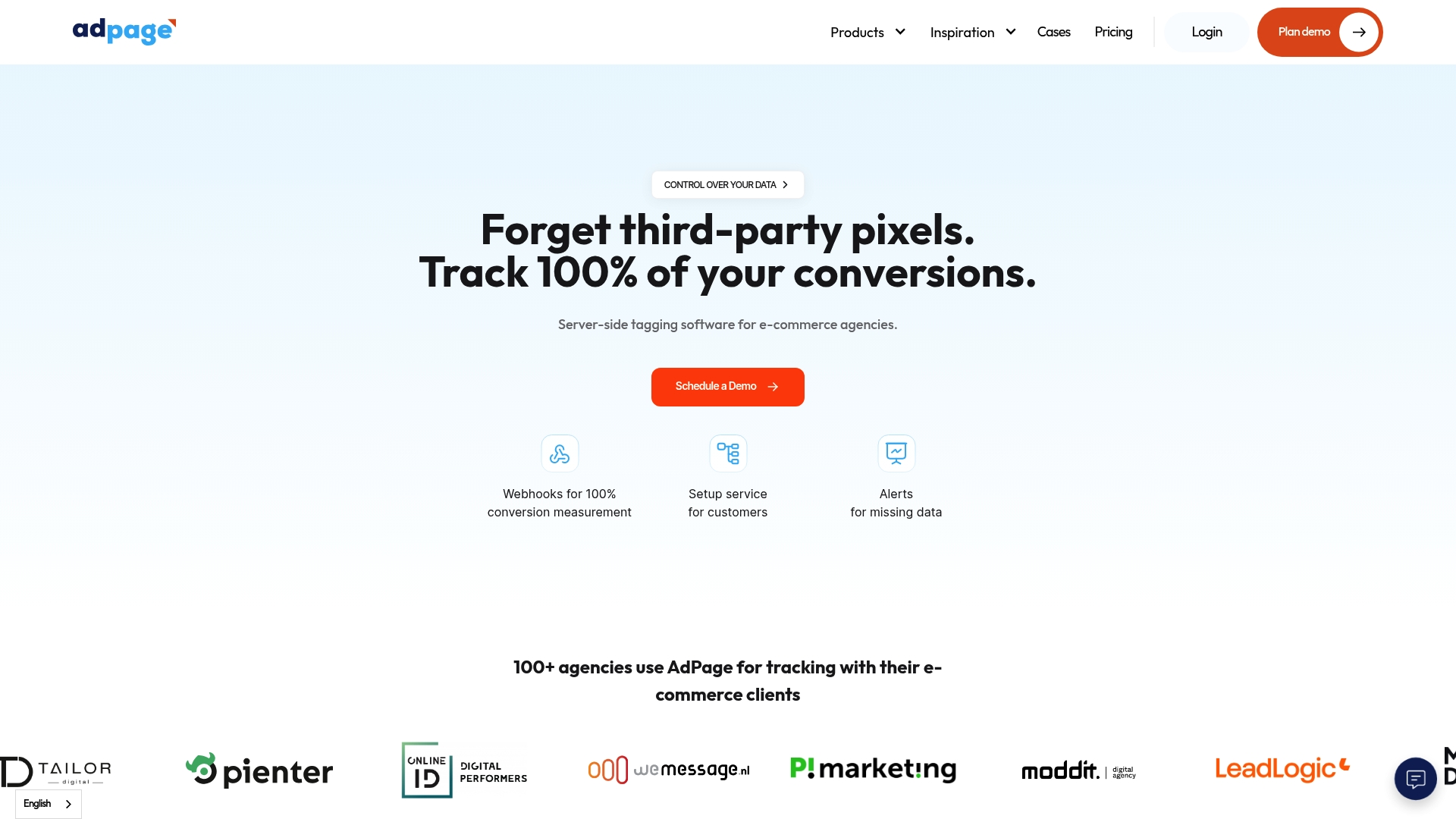
Take control of your conversion data now by exploring how AdPage transforms e-commerce tracking through advanced server-side tagging technology. Benefit from features including consent management built for GDPR compliance and visitor identity services that respect user privacy while providing detailed analytics. Don’t let fragmented tracking limit your growth. Discover tailored onboarding and powerful tools designed for marketing agencies and online marketers to monitor 100% of conversions reliably. Learn more at AdPage’s platform and start optimising your data-driven strategy today.
Frequently Asked Questions
What are the key benefits of server-side tagging for accurate data tracking?
Implementing server-side tagging can enhance data accuracy by overcoming issues like ad blockers and incomplete page loads. To maximise your data collection, configure your server-side infrastructure within 30 days for improved reliability.
How can I set up server-side tracking for my Google Analytics?
To set up server-side tracking for Google Analytics, create a server container in Google Tag Manager, which processes events before they are sent to Google Analytics. Start by following the setup guide to complete this within a week, ensuring you capture more comprehensive data.
What steps do I need to take to integrate Facebook Pixel with server-side events?
Integrate Facebook Pixel by configuring a server container in Google Tag Manager, which will securely forward event data to Facebook using the Conversions API. Complete your integration process within two weeks to improve your advertising attribution accuracy substantially.
How can server-side tracking help with GDPR compliance?
Server-side tracking provides better control over data processing, allowing for enhanced consent management and compliance with GDPR regulations. Focus on implementing a centralised consent governance model to achieve compliance within 60 days for improved user trust.
What challenges does server-side tagging solve for e-commerce platforms like Shopify and WooCommerce?
Server-side tagging mitigates challenges such as browser privacy restrictions and incomplete data collection in e-commerce platforms. Set up server-side tags in your infrastructure within a month to see enhanced conversion data accuracy and reduced tracking interruptions.
How do I manage visitor identities using server-side tracking?
Manage visitor identities by establishing secure data filtering mechanisms that anonymise sensitive information before transmission. Begin implementing these privacy measures immediately to ensure improved consent management and visitor privacy protection.